
Buying Land in Missouri: What Kansas City Area Buyers Need to Know
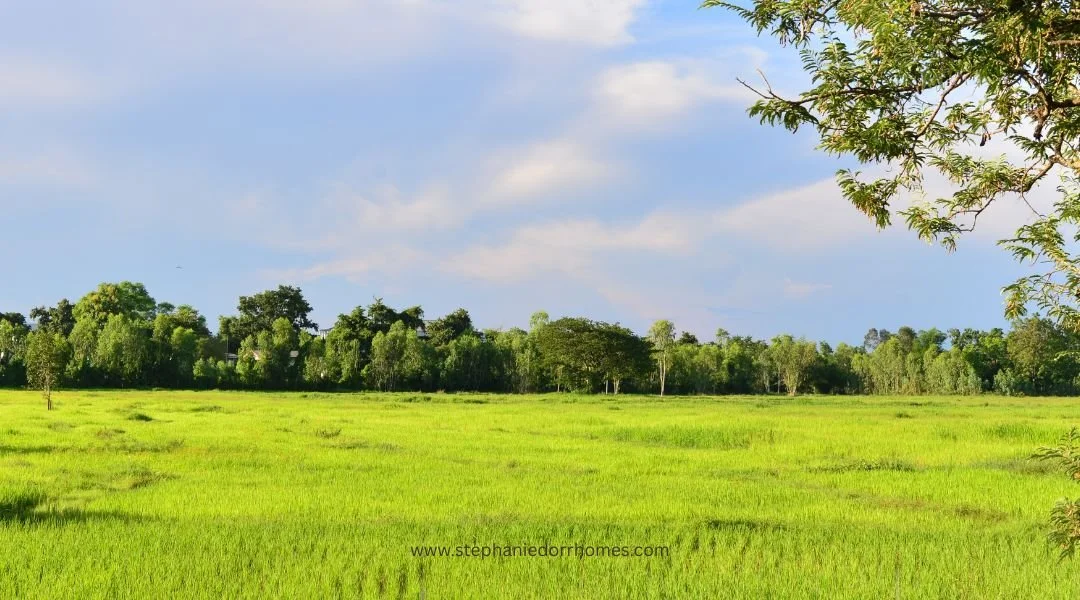
Buying Land in Missouri - what you need to know
Buying Land in Missouri: What Kansas City Area Buyers Need to Know Before They Fall in Love With a Property
Buying land in Missouri can be exciting. Maybe you are dreaming about building a custom home, creating more space for animals, buying recreational acreage, starting a small homestead, or simply investing in a piece of ground for the future.
But buying land is very different from buying a house.
With a house, many of the basics are already in place. You can see the driveway, utilities, septic or sewer connection, finished structure, and neighborhood layout. With land, you are often buying potential, and potential needs to be verified before you close.
In the Kansas City area, especially in places like Clay County, Platte County, Jackson County, Cass County, Ray County, and nearby rural communities, two properties can look almost identical online but have very different rules, costs, and limitations.
Here are the most important things to know before buying land in Missouri.
1. Know exactly what you want to do with the land
Before you look at acreage, get clear on your goal.
Are you buying land to:
Build a primary home?
Build later and hold it for now?
Use it for hunting or recreation?
Keep horses, chickens, goats, or livestock?
Create a small farm or garden property?
Build a barndominium, shop house, tiny home, or modular home?
Split the land later?
Use it as an investment?
This matters because land is not automatically usable for every purpose. The zoning, subdivision rules, utility access, road access, soil, floodplain status, and deed restrictions all need to support your intended use.
A pretty piece of land is not necessarily a buildable piece of land.
2. Confirm the zoning before you make big plans
Zoning controls what you can and cannot do with a property. In the Kansas City area, zoning rules may be handled by the city if the property is inside city limits, or by the county if it is in an unincorporated area.
For example, land inside Kansas City, Missouri is subject to Kansas City zoning and development rules. Land in unincorporated Clay County, Platte County, Jackson County, or Cass County will generally be handled through county planning and zoning departments.
Before buying, ask:
What is the current zoning?
Is residential construction allowed?
Are agricultural uses allowed?
Are animals allowed?
Is there a minimum lot size for building?
Are there setback requirements?
Are accessory buildings allowed?
Are manufactured homes, modular homes, tiny homes, or barndominiums allowed?
Can the land be divided later?
Is a special use permit, rezoning, or variance needed?
Do not assume that “rural” means “anything goes.” Some rural properties still have zoning restrictions, subdivision rules, private road agreements, deed restrictions, or homeowners association requirements.
3. Make sure the property has legal access
This is one of the biggest land buying issues.
A property may appear to have access because there is a trail, gravel path, or driveway leading to it. That does not always mean it has legal access.
Legal access usually means the property touches a public road or has a recorded easement giving the owner the legal right to cross another property to reach it.
Before buying land, confirm:
Does the property have road frontage?
If not, is there a recorded easement?
Is the easement wide enough for your intended use?
Does the easement allow utilities?
Who maintains the road or driveway?
Can emergency vehicles access the property?
Will the county or city require a driveway entrance permit?
Is the road public, private, or shared?
This is especially important for wooded acreage, recreational land, land behind another parcel, or property reached by a private lane.
4. Get a survey or review the existing survey carefully
A survey helps confirm the actual property lines, acreage, easements, encroachments, and access points.
Online maps are helpful, but they are not a substitute for a current survey. County GIS maps and real estate listing maps can be off. Fences, tree lines, creeks, and mowed areas do not always match the legal property boundary.
A survey can help answer:
Where are the actual property lines?
Is the driveway fully on the property?
Are fences located correctly?
Are there encroachments from neighboring properties?
Are there utility easements?
Are there drainage easements?
Is the advertised acreage accurate?
Is there enough usable land for your plans?
If you plan to build, divide the property, install a fence, add a driveway, or place a structure near a property line, a survey becomes even more important.
5. Understand septic requirements before you assume you can build
Many land buyers assume that if a property is large enough, they can put a house on it. That is not always true.
If the land is not connected to public sewer, you will likely need an onsite wastewater treatment system, commonly called a septic system. In Missouri, septic systems are regulated, permitted, and inspected through the appropriate state or local agency.
In many Kansas City area counties, the local health department or county agency handles onsite wastewater permitting. For example, Clay County Environmental Health issues onsite sewage construction and repair permits. Platte County Health Department handles permits, inspections, exemptions, and sewage complaints for unincorporated Platte County.
Before buying land, ask:
Is public sewer available?
If not, is septic allowed?
Has the property had a soil evaluation?
Has it had a perc test?
What type of system would be required?
Where could the system be located?
Is there enough room for a primary septic area and replacement area?
Are there setbacks from wells, property lines, ponds, streams, and structures?
What will the system likely cost?
The answer can affect whether the land is buildable and how much it will cost to build.
6. Verify water availability
Water is another major issue when buying land.
Some parcels have access to public water or rural water districts. Others require a private well. Some properties may have no practical water source without significant expense.
Before buying, find out:
Is public water available at the road?
If so, what is the connection cost?
Is the water line large enough for residential use?
Is the property served by a water district?
If a well is needed, is drilling allowed?
Are there known wells nearby?
How deep are nearby wells?
Has the water quality been tested?
Are there old wells on the property that need to be located or properly plugged?
In Missouri, private well water quality is not continuously monitored like a public water system. That means testing is important, especially if there is an existing well.
A well inspection and water test can help you avoid expensive surprises.
7. Price out utilities before you decide the land is a bargain
A lower priced parcel can become much more expensive if utilities are far away.
Check the availability and cost of:
Electric service
Water
Sewer or septic
Natural gas or propane
Internet
Trash service
Driveway installation
Culverts
Road maintenance
Fire protection access
Electric service may be nearby, or it may need to be extended a significant distance. Internet may be strong in one area and very limited a few miles away. Natural gas may not be available at all, which means propane may be needed.
Before closing, call the utility providers directly. Ask whether service is available, what the connection process looks like, and what estimated costs may be.
8. Check floodplain, drainage, and wetlands before you build
Some Missouri land is beautiful because it is near a creek, river, pond, or low lying area. That can also create building limitations.
Before buying, review:
FEMA flood maps
Local floodplain maps
Drainage patterns
Creeks and streams
Low spots
Wet areas
Existing ponds
Erosion concerns
Stormwater rules
Whether floodplain permits are required
If part of the land is in a floodplain, it does not always mean you cannot buy it or use it. It does mean you need to understand the restrictions, insurance implications, building requirements, and long term risk.
Kansas City, Missouri provides floodplain information and permit guidance, and FEMA provides flood map tools that buyers can use to research flood risk.
9. Review title work, easements, and deed restrictions carefully
Land can come with recorded rights and restrictions that are not obvious when you walk the property.
Title work may reveal:
Utility easements
Road easements
Access easements
Pipeline easements
Conservation easements
Drainage easements
Shared driveway agreements
Private road maintenance agreements
Deed restrictions
Prior ownership issues
You should also ask whether there are any restrictions on building size, exterior materials, livestock, hunting, short term rentals, mobile homes, accessory structures, or commercial activity.
Do not skip title review just because the land is vacant. Vacant land can have complicated history.
10. Know whether the land is inside city limits or unincorporated county
This affects almost everything.
Land inside city limits may have city zoning, city permits, city inspections, city utilities, and city design standards. Land in an unincorporated county area may be handled by county planning, zoning, public works, and health departments.
This can affect:
Building permits
Driveway permits
Septic approvals
Animal rules
Fence rules
Burning rules
Road maintenance
Snow removal
Trash service
Future development nearby
For example, Jackson County notes that its county zoning and subdivision responsibilities apply to unincorporated areas. If a property is inside city limits, buyers need to contact that city instead.
11. Understand how property taxes may change
Property taxes on land can vary based on location, use, classification, and improvements.
In Missouri, real property is assessed differently depending on classification. Residential property, agricultural and horticultural property, and other property types are assessed at different percentages.
If you buy agricultural land and later build a home, subdivide it, or change how it is used, the tax situation may change. A parcel that looks inexpensive to hold today may have different taxes after improvements are added.
Before buying, check with the county assessor to understand:
Current assessed value
Current property classification
Current tax bill
Whether the land is classified as agricultural
Whether the classification could change after purchase
What happens if you build a home
Whether special assessments apply
Do not base your budget only on the current tax bill if your future plans will change the property’s use.
12. Ask about soil, slope, and buildability
Not every open area is a good building site.
The best building spot depends on:
Soil conditions
Slope
Drainage
Driveway location
Septic location
Well location
Utility access
Setbacks
Floodplain boundaries
Tree removal needs
A steep property can be beautiful, but it may require more grading, a longer driveway, retaining walls, or a more expensive foundation. Heavy clay soil, rock, or poor drainage can affect septic design and building cost.
If you are buying land to build, it is wise to involve a builder, soil evaluator, surveyor, and county office early in the process.
13. Check for old structures, trash, tanks, and environmental concerns
Vacant land is not always clean land.
Look for:
Old foundations
Abandoned wells
Old septic systems
Dump sites
Buried debris
Fuel tanks
Chemical storage
Old farm equipment
Tires
Evidence of prior commercial or industrial use
Cleanup can be expensive. Environmental concerns can also affect financing, insurance, and future development.
If something looks questionable, ask more questions before closing.
14. Understand financing for land
Land loans are usually different from traditional home loans.
Many lenders view vacant land as higher risk because there is no completed home on the property. Down payment requirements, interest rates, loan terms, and appraisal requirements may be different from a standard residential mortgage.
Before you start shopping, talk with lenders who understand land purchases in Missouri.
Ask:
Do you finance vacant land?
What down payment is required?
Do you require road access?
Do you require utilities?
Do you require a survey?
Do you finance recreational land?
Do you finance land for future construction?
Can the loan convert to a construction loan later?
What inspections or documents are required?
A lender who regularly handles land purchases can help you avoid delays once you find the right property.
15. Know the difference between recreational land and buildable land
Some land is excellent for hunting, fishing, camping, trails, privacy, or weekend use. That does not automatically make it good for building.
Recreational land may have:
Limited access
No utilities
Creek crossings
Floodplain areas
Steep terrain
Heavy timber
No approved septic area
No practical driveway location
Easement issues
Restrictions on structures
If you want land for recreation only, these may not be deal breakers. If you want to build a home, they matter a lot.
Be clear about your goal, and make sure your contract gives you enough time to investigate.
16. Pay attention to future growth around the property
The Kansas City area continues to grow, and rural edges can change over time.
Before buying, research:
Nearby planned subdivisions
Road expansion projects
Commercial development
Industrial development
Utility expansion
School district boundaries
Annexation possibilities
Future land use plans
Zoning changes nearby
Neighboring property ownership
A peaceful acreage tract today may be near a future development corridor. That may be good for resale value, or it may not fit the lifestyle you want.
The local planning and zoning office can often help you understand what is planned nearby.
17. Build a strong due diligence period into your offer
When buying land, the contract should give you time to investigate the property.
Your due diligence period may need to allow time for:
Survey review
Title review
Septic research
Soil evaluation
Well inspection or water availability research
Utility estimates
Zoning confirmation
Floodplain review
Builder consultation
Driveway and access review
Financing approval
Insurance research
The right timeline depends on the property. A simple platted lot with utilities available may require less investigation than 20 wooded acres with no driveway, no utilities, and no prior soil work.
18. Work with professionals who understand land
Land purchases require a different kind of research than a typical residential home purchase.
Depending on the property, you may need help from:
A real estate professional experienced with land
A surveyor
A title company
A lender who handles land loans
A soil evaluator
A septic designer or installer
A well contractor
A builder
The county or city planning office
The local health department
An insurance professional
An attorney, when needed
The goal is not to scare you away from buying land. The goal is to help you buy with your eyes open.
A wonderful opportunity!
Buying land in Missouri can be a wonderful opportunity, especially in the Kansas City area where buyers can still find space, privacy, and flexibility within reach of the city.
The key is to slow down long enough to verify what matters.
Before you fall in love with the view, confirm the access. Before you picture the house, check the zoning. Before you assume you can build, research septic, water, utilities, floodplain, and permit requirements.
The right piece of land can become a beautiful home site, a peaceful retreat, or a smart long term investment. The wrong piece of land can become expensive, frustrating, and difficult to use.
A little due diligence upfront can protect your money, your timeline, and your plans.
Thinking about buying land in the Kansas City area?
If you are considering acreage, a buildable lot, recreational land, or rural property in the Missouri side of the Kansas City area, I can help you ask the right questions before you write an offer. Please reach out for guidance before you buy land.
Buying the right property starts with asking the right questions!
Stephanie Dorr helps Kansas City area buyers evaluate land purchases with careful attention to zoning, access, septic, utilities, floodplain concerns, title issues, and long term usability. Whether you are looking in Clay County, Platte County, Jackson County, Ray County, Cass County, or the surrounding Missouri communities, having a knowledgeable land-focused real estate professional can help you move forward with more clarity and confidence.
Reach out to Stephanie Dorr for guidance before you buy land in the Kansas City area. The right property starts with the right questions.